

Wikimedia Commons · See source page for licence
Artist in the Global Art Registry
Anthony van Dyck
1599–1641 · Spanish Netherlands
- Born
- 1599 · Antwerp
- Died
- 1641 · London
260 works in the Collect24 Registry
Every work carries a permanent Collect24 Art ID, the way a book has an ISBN.
Sir Anthony van Dyck was a Flemish Baroque artist. He became the leading court painter in England after success in the Spanish Netherlands and Italy.
Read full biography
Sir Anthony van Dyck (; Dutch: Antoon van Dijck [ˈɑntoːɱ‿vɑn ˈdɛik]; 22 March 1599 – 9 December 1641) was a Flemish Baroque artist, who became the leading court painter in England after success in the Spanish Netherlands and Italy. The seventh child of Frans van Dyck, a wealthy silk merchant in Antwerp, Anthony painted from an early age. He was successful as an independent painter in his late teens and became a master in the Guild of Saint Luke of Antwerp on 18 October 1617. By this time, he was working in the studio of the leading northern painter of the day, Peter Paul Rubens, who became a major influence on his work. Van Dyck worked in London for some months in 1621, then returned to Flanders for a brief time, before travelling to Italy, where he stayed until 1627, mostly in Genoa. In the late 1620s he completed his greatly admired Iconography series of portrait etchings of mainly other artists and other famous contemporaries. He spent five years in Flanders after his return from Italy, and from 1630 was court painter for the Archduchess Isabella, Habsburg Governor of Flanders. At the request of Charles I he returned in 1632 to London as the main court painter. With the exception of Holbein, van Dyck and his contemporary Diego Velázquez were the first painters of pre-eminent talent to work mainly as court portraitists, revolutionising the genre. Van Dyck is best known for his portraits of the aristocracy, most notably Charles I, and his family and associates. He was the dominant influence on English portrait-painting for over 150 years. He also painted mythological, allegorical and biblical subjects, including altarpieces, displayed outstanding facility as a draughtsman, and was an important innovator in watercolour and etching. His influence extends into the modern period. The Van Dyke beard is named after him. During his lifetime, Charles I granted him a knighthood, and he was buried in St Paul's Cathedral, an indication of his standing at the time of his death.
Biography source: Wikipedia · CC BY-SA 4.0
Unclaimed estate profile
This profile was built from publicly available information. Nobody representing the estate of Anthony van Dyck manages it yet. If you represent the estate or foundation, claim the profile to control the biography, portrait and registered works.
Claim this estate profileSpotted something incorrect? Sign in to suggest an edit — our editors review every change.
260
Registered works
260
In museum collections
0
In gallery collections
0
In private collections
Featured works
Selected registered works by Anthony van Dyck
Selected from 260 works by Anthony van Dyck in the Collect24 Registry.
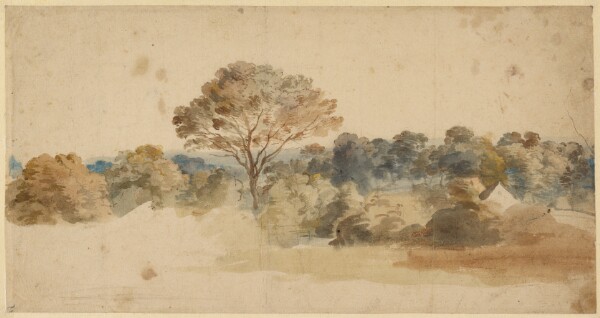
Anthony van Dyck
Landscape, about 1640
Pen and brown ink and watercolor
18.9 × 36.4 cm
J. Paul Getty Museum
C24-201363
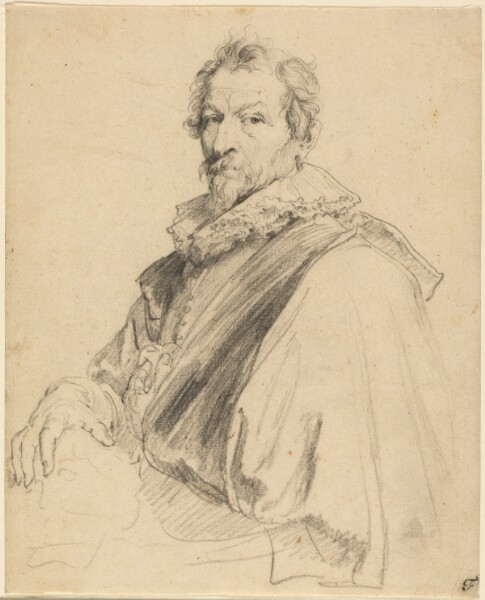
Anthony van Dyck
Portrait of Hendrick van Balen, about 1627–1632
Black chalk
24.4 × 19.7 cm
J. Paul Getty Museum
C24-200777
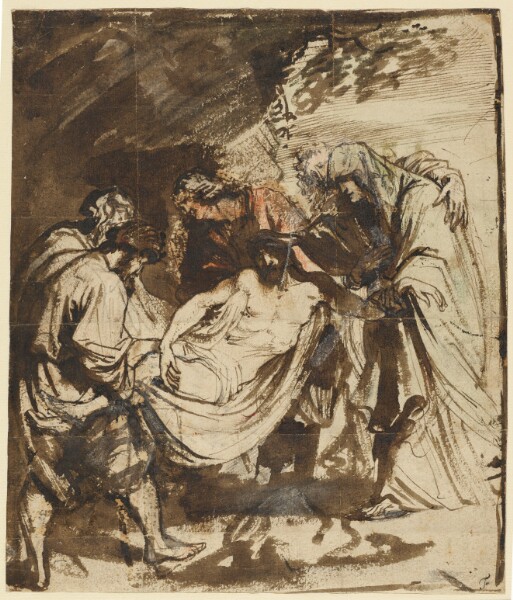
Anthony van Dyck
The Entombment (recto); Partial Study of the Entombment (verso), 1617–1618
Black chalk, pen and brown ink, brown and reddish wash, red and blue chalk, and white gouache heightening
25.4 × 21.9 cm
J. Paul Getty Museum
C24-196034
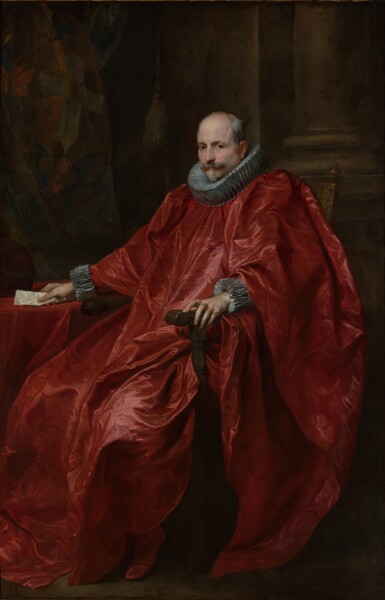
Anthony van Dyck
Portrait of Agostino Pallavicini, about 1621
Oil on canvas
217.5 × 142.2 cm
J. Paul Getty Museum
C24-137775
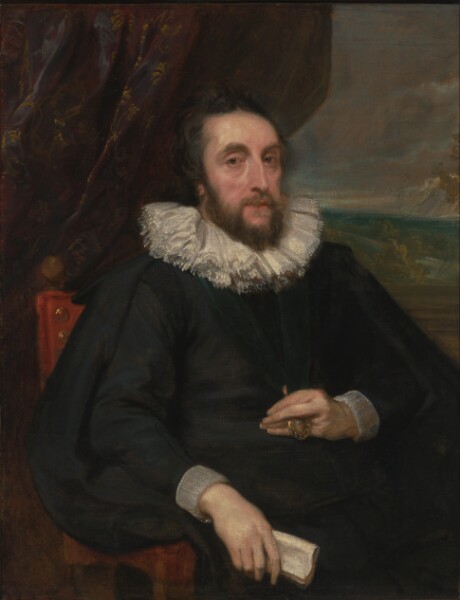
Anthony van Dyck
Thomas Howard, 2nd Earl of Arundel, about 1620–1621
Oil on canvas
102.6 × 79.7 cm
J. Paul Getty Museum
C24-137545
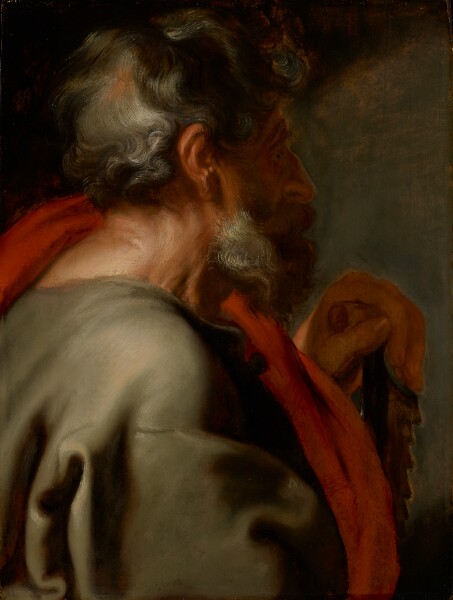
Anthony van Dyck
The Apostle Simon, about 1618
Oil on panel
63.8 × 47.9 cm
J. Paul Getty Museum
C24-137525
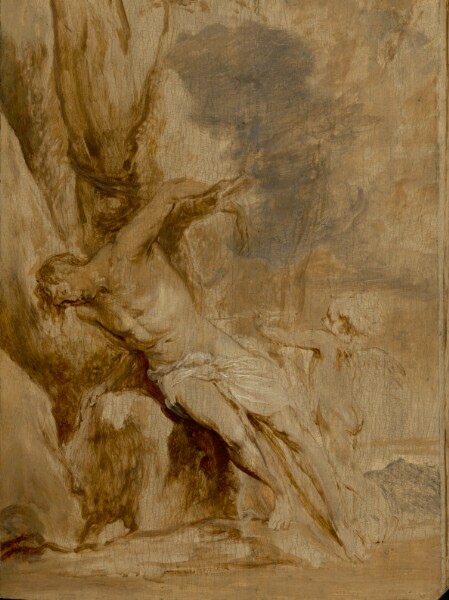
Anthony van Dyck
Saint Sebastian Tended by an Angel, about 1630–1632
Oil on panel
41 × 30.5 cm
J. Paul Getty Museum
C24-137253
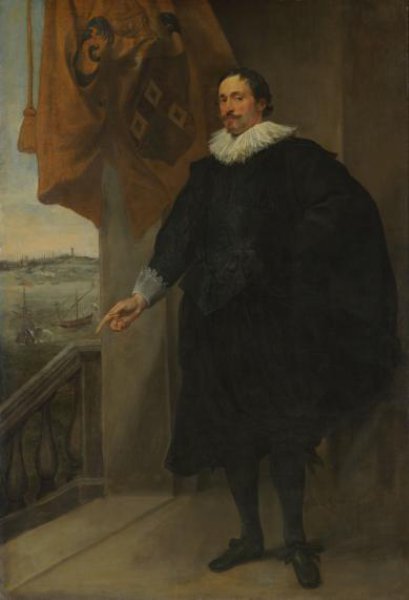
Anthony van Dyck
Portrait of a Nobleman, possibly Adriaan van der Borcht, 1634 - c. 1635
canvas
201 × 138 cm
Rijksmuseum
C24-112205
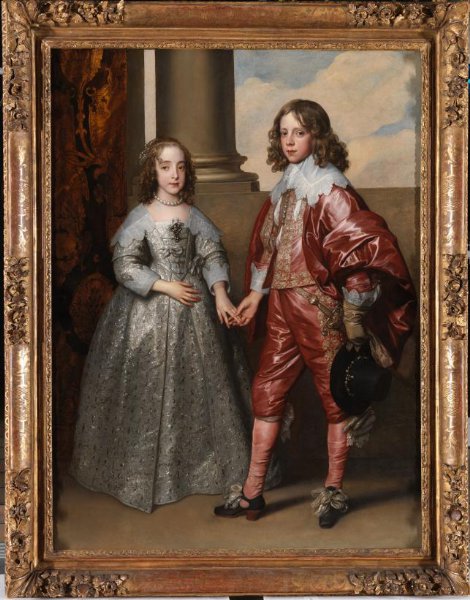
Anthony van Dyck
Maria Stuart en Willem II, 1641
canvas
180 × 132.2 cm
Rijksmuseum
C24-106933
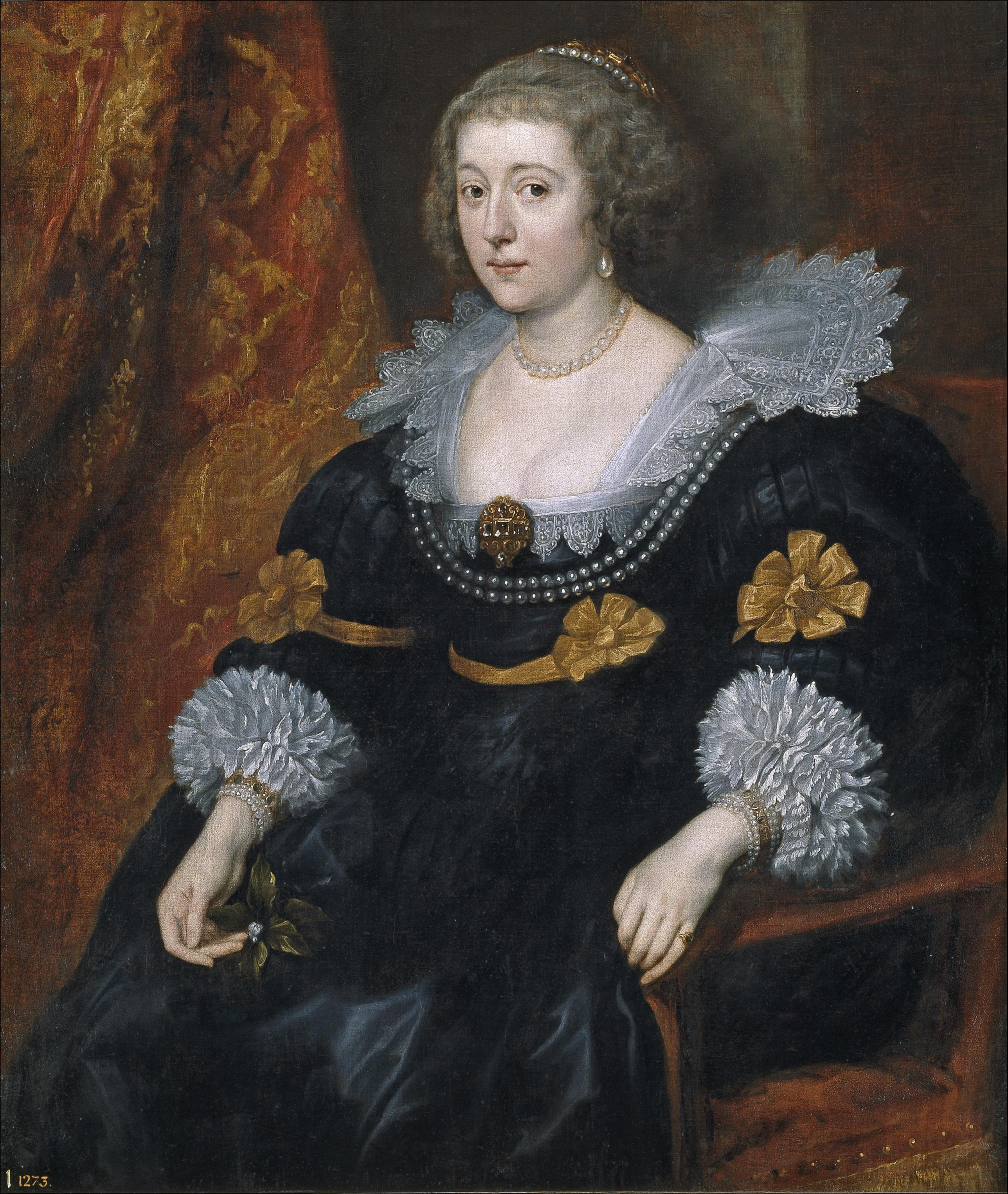
Anthony van Dyck
Amalia de Solms-Braunfels, 1631
oil paint
105 × 91 cm
Museo del Prado
C24-383713
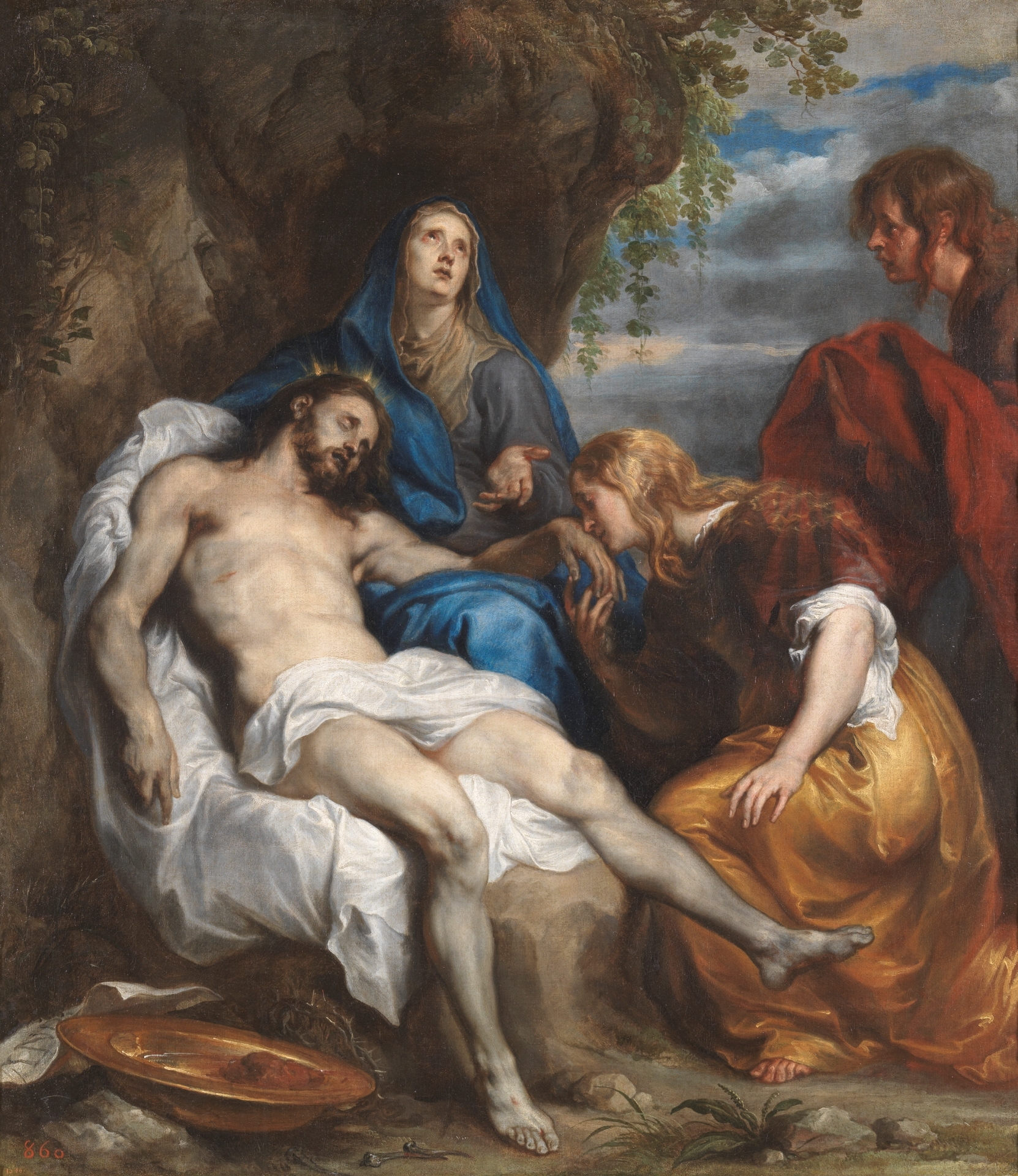
Anthony van Dyck
The Pietà, 1629
oil paint
114 × 100 cm
Museo del Prado
C24-382019
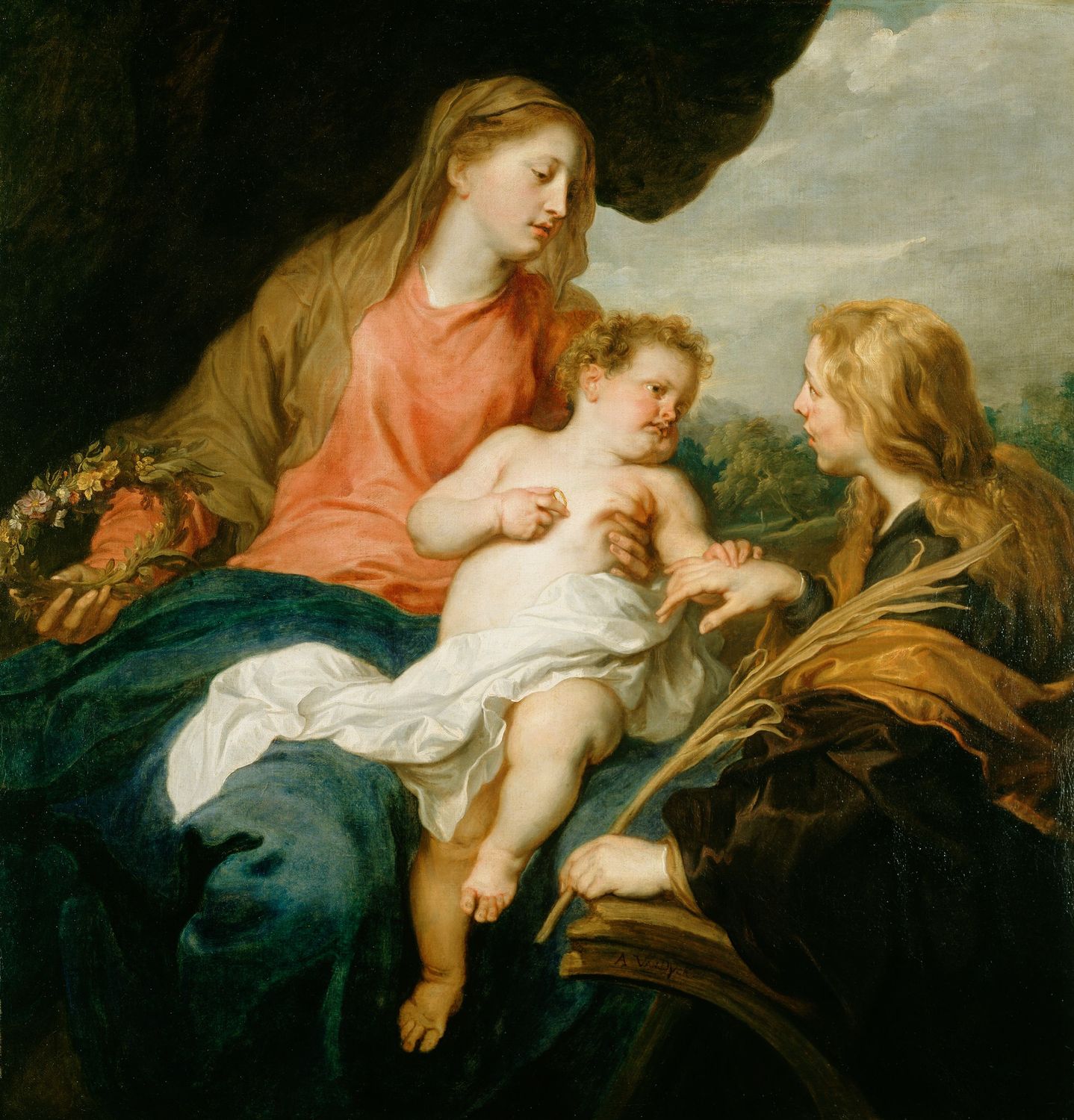
Anthony van Dyck
The Mystic Marriage of St Catherine, 1630
oil paint
126.2 × 119.5 cm
Royal Collection
C24-283674
Museums and collections
Where works by Anthony van Dyck are registered
- Royal Museum of Fine Arts Antwerp
Antwerp, Belgium
48 works
- The Metropolitan Museum of Art
New York, United States
32 works
- Kunsthistorisches Museum
Austria
25 works
- Cleveland Museum of Art
Cleveland, United States
22 works
- Museo del Prado
Spain
19 works
- Bavarian State Painting Collections
Germany
18 works
- SMK – National Gallery of Denmark
Copenhagen, Denmark
15 works
- Hermitage Museum
Russia
13 works
- Art Institute of Chicago
Chicago, United States
11 works
- J. Paul Getty Museum
Los Angeles, United States
7 works
- Victoria and Albert Museum
London, United Kingdom
7 works
- Detroit Institute of Arts
United States
5 works
- National Gallery
United Kingdom
5 works
- Mauritshuis
The Hague, Netherlands
4 works
- Munich Central Collecting Point
allied-occupied Germany
4 works
- Museum of Fine Arts Boston
United States
4 works
- Royal Collection
United Kingdom
4 works
- Amsterdam Museum
Amsterdam, Netherlands
2 works
- National Museum of Art, Architecture and Design
Norway
2 works
- National Trust
United Kingdom
2 works
- Rijksmuseum
Amsterdam, Netherlands
2 works
- Royal Museums Greenwich
United Kingdom
2 works
- Slovak national gallery
Bratislava, Slovakia
2 works
Registry catalogue
Search all 260 works by Anthony van Dyck
The complete catalogue lets you search by title, year, collection, medium or Collect24 Art ID, and filter by period, medium and collection.
Open the full catalogue →Artists from the same period
Artists born around the same time
- Peter Paul Rubens
1577–1640
582 works
- Herman van Swanevelt
1603–1655
190 works
- Jacob Jordaens
1593–1678
93 works
- Jan Fyt
1611–1661
50 works
- Frans Snyders
1579–1657
47 works
- Cornelis de Vos
1584–1651
37 works
- Gillis van Tilborgh
1615–1675
9 works
- Michiel Sweerts
1618–1664
7 works